SCIATICA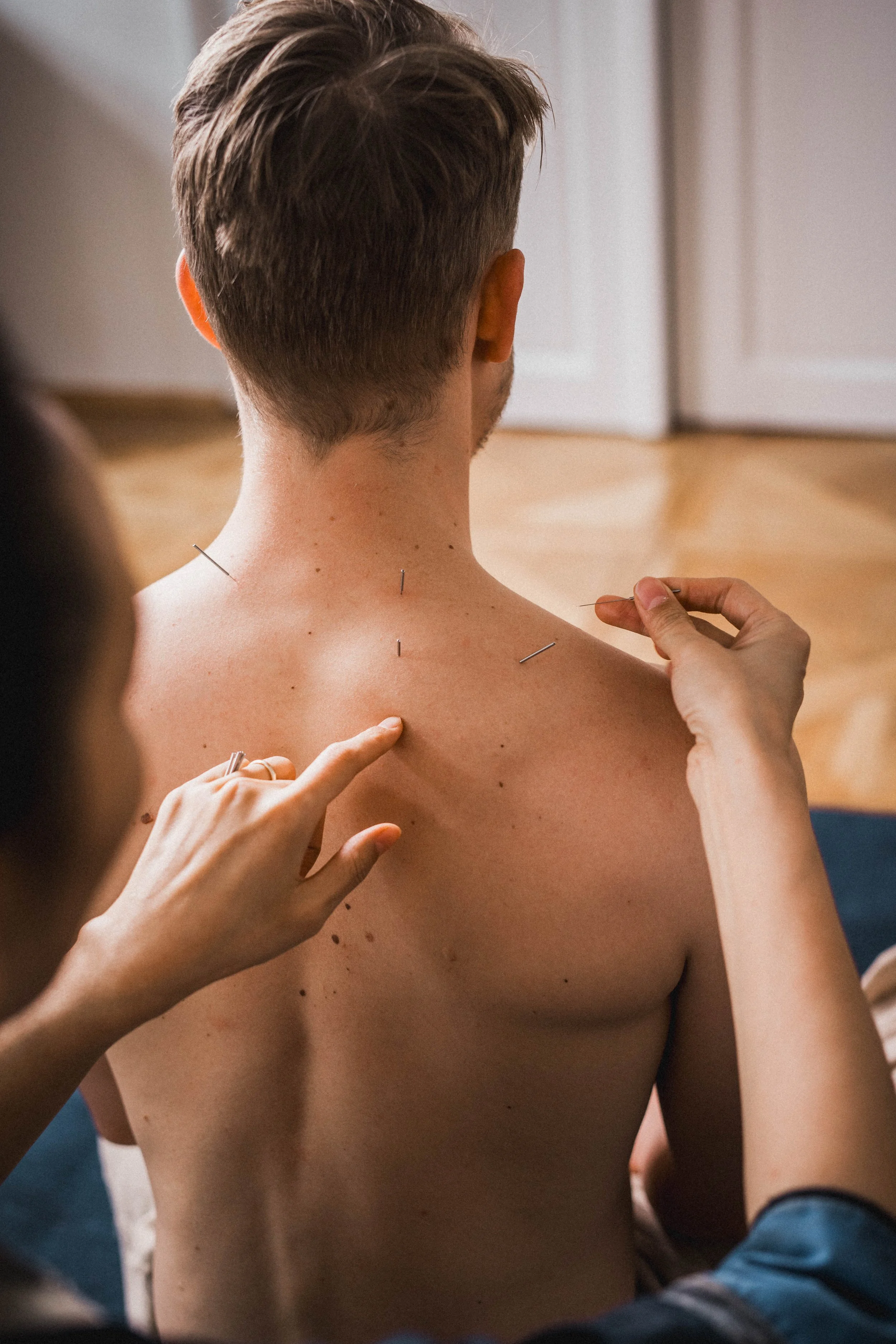
Sciatica care that reads both layers — the nerve and the pattern underneath it.
Back, neck, shoulder, hip, knee. Sciatica. Post-fracture recovery. Patterns the conventional path has reached the limit of. The work begins with reading what conventional care doesn't have time to read.
“After 7 months of Ibuprofen pills, anti inflammatory cream, paracetamol etc, without result, she managed after 5 sessions to heal my shoulder and give it back its normal mobility.”
- Agnes
Common pain patterns we seeSymptoms & Conditions
- Lower back pain
- Neck and shoulder pain
- Frozen shoulder and rotator cuff patterns
- Sciatica and nerve pain
- Joint pain
- Post-fracture and post-surgical recovery
- Muscle stiffness and tension
- Reduced mobility
- Headaches and migraines
- Chronic pain
- Pain travelling to different parts of the body
Choose one of our 3 modalities,
or combine them
Most chronic pain responds to a combination, not to one technique applied in isolation. The integrated reading at your first visit names which combination your specific pattern is asking for. Below: what each part does, and how they combine.
Lineage Acupuncture
Classical Chinese acupuncture moves what has stagnated. In chronic pain, stagnation is the underlying pattern almost every time. Blood and energy held around an old injury, a posture the body adopted protectively, a stress that never released.
Qilian works with slightly thicker needles, inserted freehand without guide tubes, combining local needling with distal points that channel stagnated energy through the meridian system. What determines the result is needle depth, angle, speed, and the precise reading of when to move to the next point. As in martial arts, this takes years of cultivation to put the power of the hand and the focus of the mind into each needle. Not as gentle as modern styles, but effective for serious and stubborn conditions.
01
Manual Therapy
Two traditions working together. Osteopathy-inspired manual therapy — direct, structural work on tissue, muscle, fascia, spine, and bone, drawn from the European manual lineage. Alongside it, Shiatsu — Japanese bodywork along the acupuncture meridians, using fingertip and palm pressure to address the held tension layer.
Most chronic pain needs both layers — the structural and the meridian. The hospital-rehab background means this is clinically informed bodywork, not generic massage. Knowing the difference between tissue that needs releasing and tissue that's compensating for something further up the chain is half the skill.
02
Integrative Bodywork
03
A layered approach drawing from five traditions in one session — osteopathy-inspired manual therapy, Japanese Shiatsu, traditional Thai bodywork, somatic technique, and energetic healing. The work moves from the muscular layer inward: through fascia, the meridian patterns, the held breath, and what the lineage traditions read as the energetic body.
Each layer is addressed when it shows itself — not before. The hands stay with the muscle until the muscle stops asking; then meridian work begins; then somatic; then energetic. Slow, careful, clinically informed by years of hospital-rehab practice. Different in scope from any single-technique session.
Get your money back if you don’t see any improvements within 3 sessions.
From Our Clients
THE PRACTITIONERS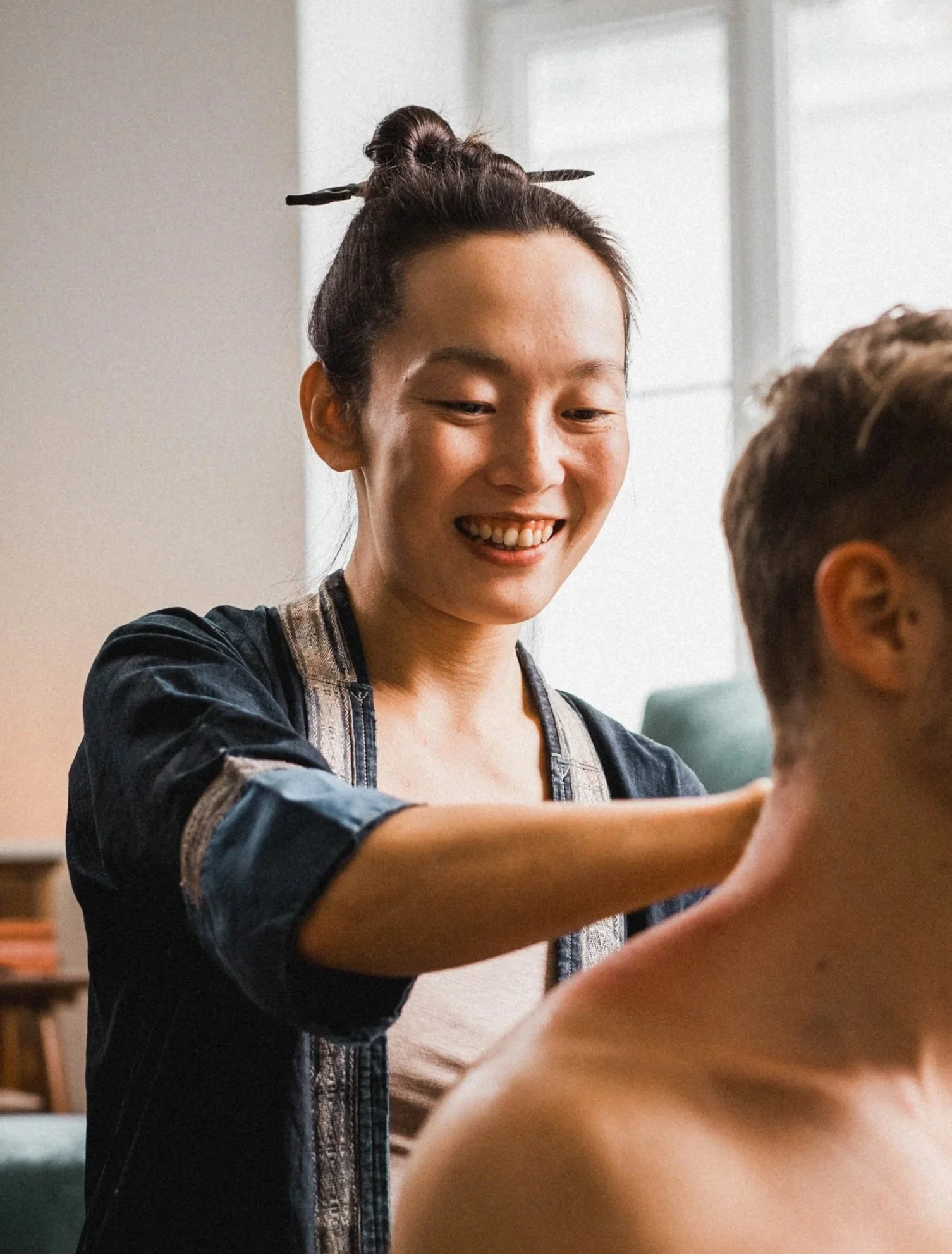
Two clinicians. One practice. One coordinated plan.
Qilian Shang
Lineage Acupuncture
Trained as an indoor disciple of her Sifu in China — the traditional master-to-student transmission, rarely passed on outside the lineage. Seventeen years of clinical practice across six continents, specialising in acute and chronic pain therapy.
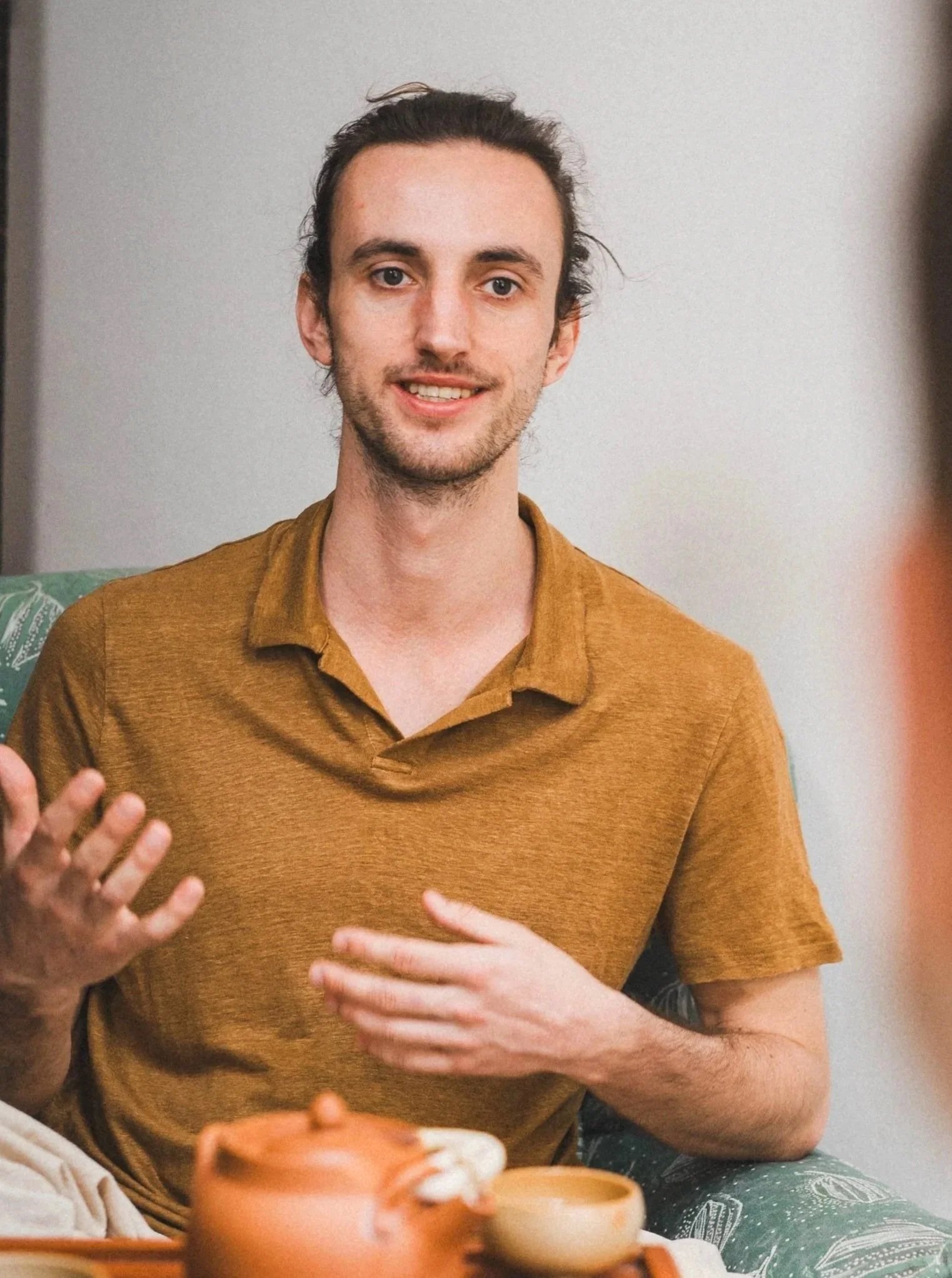
Manual Therapy & Integrative Bodywork
Alexander Ahamer
Trained in Chinese medicine, Shiatsu and manual therapy by masters across Europe and Asia. Ten years of clinical practice spanning private, emergency, and orthopedic hospital rehabilitation.